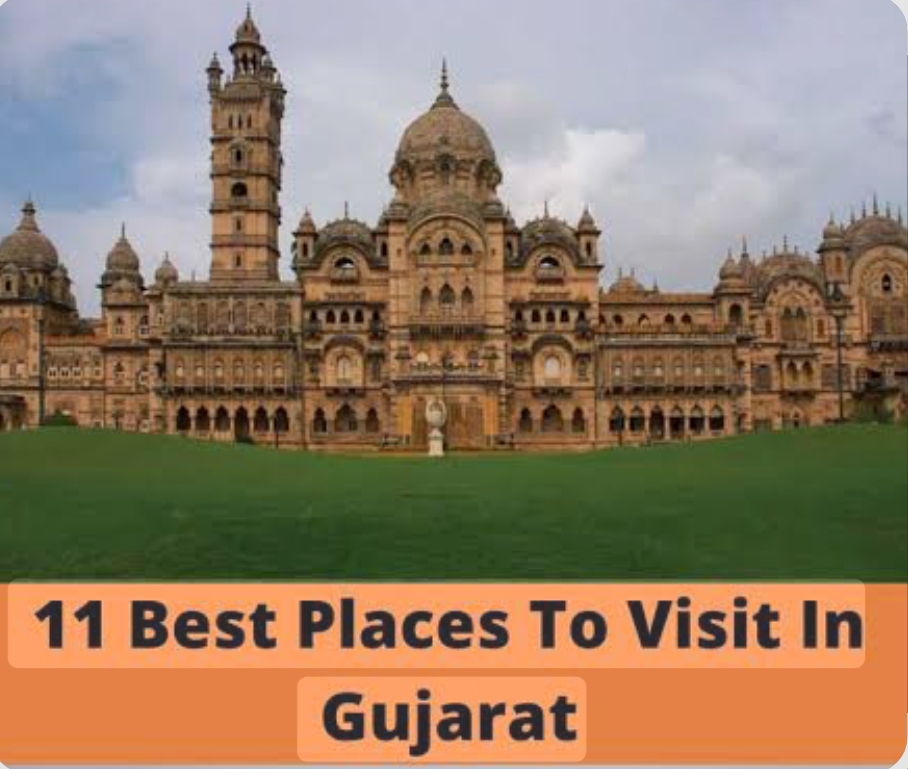
Gujarat is a state in India located on the western coast along the Arabian Sea. It has the longest coastline in the country, stretching about 1,600 kilometers. The state covers an area of approximately 196,024 square kilometers and has a population of over 60 million. Its capital is Gandhinagar, while Ahmedabad is the largest city, known as a major textile hub. Historically, Gujarat was ruled by the Gurjara people in the 8th and 9th centuries CE. The state was formed in its current form in 1960 after splitting from Bombay state based on language.
GeographyGujarat’s long coastline and diverse landscape include deserts, scrublands, forests, wetlands, and mangroves. It borders Rajasthan, Maharashtra, Madhya Pradesh, and shares an international border with Pakistan. Not more than 160 km of the state lies away from the sea, emphasizing its coastal character.
History and Cultur
Gujarat has a strong economy based on industry, trade, and agriculture. Key industries include textiles, chemicals, petrochemicals, and minerals. Important ports like Kandla and Mundra boost its trade and export capacity. The state is among India’s most industrialized and technologically advanced.
Economy
Gujarat has a strong economy based on industry, trade, and agriculture. Key industries include textiles, chemicals, petrochemicals, and minerals. Important ports like Kandla and Mundra boost its trade and export capacity. The state is among India’s most industrialized and technologically advanced.
Politics
Currently led by Chief Minister Bhupendra Patel, Gujarat’s government recently saw a cabinet reshuffle with all ministers except the CM resigning to pave the way for a new cabinet expansion aimed at enhancing governance and development.In conclusion, Gujarat is a state with a rich historical legacy, diverse culture, strong economy, and strategic geographic location that contributes significantly to India’s growth and heritage
About the Author